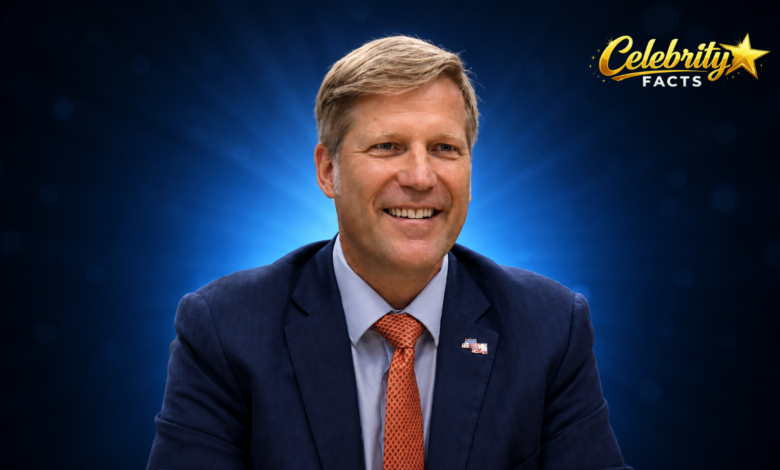
Tim Keller mayor is a widely searched phrase because Tim Keller is one of the most recognized political figures in Albuquerque, New Mexico. He is known as the mayor of Albuquerque, a former New Mexico State Auditor, a former state senator, and a public official whose leadership style blends local identity, progressive city policy, and a highly visible public personality.
For many readers, the search is simple: they want to know who tim keller mayor is, whether he is still mayor, what he has done in office, and why his name appears so often in discussions about Albuquerque politics. Others are looking for information about his wife, background, education, election history, political party, public safety record, or his famous reputation as the “Metal Mayor.”
Tim Keller is not just a ceremonial city leader. His role places him at the center of Albuquerque’s biggest debates, including crime, homelessness, housing, economic growth, policing, public health response, downtown development, and the future direction of New Mexico’s largest city.
As mayor, Keller has built his public image around the idea of “One Albuquerque,” a phrase connected to unity, civic pride, and shared responsibility. Supporters often describe him as energetic, community-focused, and deeply rooted in the city. Critics, however, have questioned his administration’s handling of crime, homelessness, policing challenges, and city management issues.
That combination of popularity, controversy, long-term service, and personal branding is why the keyword tim keller mayor continues to attract attention from voters, residents, political watchers, and general readers.
Tim Keller Mayor Quick-Read Table
| Detail | Information |
| Full Name | Timothy Matthew Keller |
| Known As | Tim Keller |
| Main Public Role | Mayor of Albuquerque, New Mexico |
| Political Party | Democratic Party |
| Took Office as Mayor | December 2017 |
| Previous Roles | New Mexico State Auditor, New Mexico State Senator |
| Education | University of Notre Dame, Harvard Business School |
| Spouse | Elizabeth Kistin Keller |
| Public Nickname | The Metal Mayor |
| Known For | Albuquerque leadership, public safety initiatives, civic branding, heavy metal fandom |
| Current Public Significance | Historic third consecutive mayoral term |
Early Life and Albuquerque Roots
Tim Keller’s story is closely tied to Albuquerque because he was born and raised in the city. This matters because many local political figures speak about community connection, but Keller has made his Albuquerque roots a major part of his identity.
His public image is built around being a “Burque” native, someone who understands the culture, challenges, neighborhoods, and personality of the city from the inside. Albuquerque is a diverse and complex place, shaped by Native, Hispanic, Anglo, immigrant, artistic, military, scientific, and working-class communities. A mayor of Albuquerque must speak to all of those identities while also managing the practical demands of a major city.
Keller’s local background has helped him present himself as someone who is not simply passing through politics. He often connects his leadership message to Albuquerque’s character: resilience, creativity, community pride, and the belief that the city can solve difficult problems without losing its unique identity.
For readers searching tim keller mayor, this background is important because it explains why Keller’s political brand feels different from a typical polished national politician. He has leaned heavily into being local, approachable, and culturally connected to the city.
Education and Professional Background
Before becoming mayor, Tim Keller built a profile that combined education, business, public policy, and civic work. He studied at the University of Notre Dame and later earned a business degree from Harvard Business School. This educational background gave him a mix of liberal arts, management, and policy training that later shaped his public career.
Keller also worked in the private sector and was involved in community and economic development work. His professional experience before elected office is often presented as part of his broader identity: someone who understands budgets, organizational systems, accountability, and long-term planning.
This background became especially important when Keller later served as New Mexico State Auditor, a position focused on transparency, financial oversight, and public accountability. It also influenced the way he speaks about city government. Rather than presenting municipal leadership only as politics, Keller often frames it as problem-solving, management, systems improvement, and service delivery.
For an article on tim keller mayor, this part of his life helps readers understand that his career did not begin in the mayor’s office. His political path was built step by step through public service, fiscal oversight, and local engagement.
Political Career Before Becoming Mayor
Before he became mayor of Albuquerque, Tim Keller served in the New Mexico State Senate. In that role, he represented a district in Albuquerque and became involved in state-level policy discussions. His time as a state senator helped him develop legislative experience and introduced him to the broader world of New Mexico politics.
After serving in the Senate, Keller became New Mexico State Auditor. This office gave him a statewide platform and allowed him to focus on government accountability, audits, public finance, and investigations into waste or misuse of public resources.
The State Auditor role was a major stepping stone in Keller’s political career. It helped him build a reputation as someone interested in transparency and institutional reform. It also gave him experience working beyond city-level issues, which later helped him campaign for mayor with a stronger government-management message.
When people search tim keller mayor, they may only be thinking about his current position. But his earlier career explains why he entered the mayor’s office with experience in both legislative policy and financial oversight.
How Tim Keller Became Mayor of Albuquerque
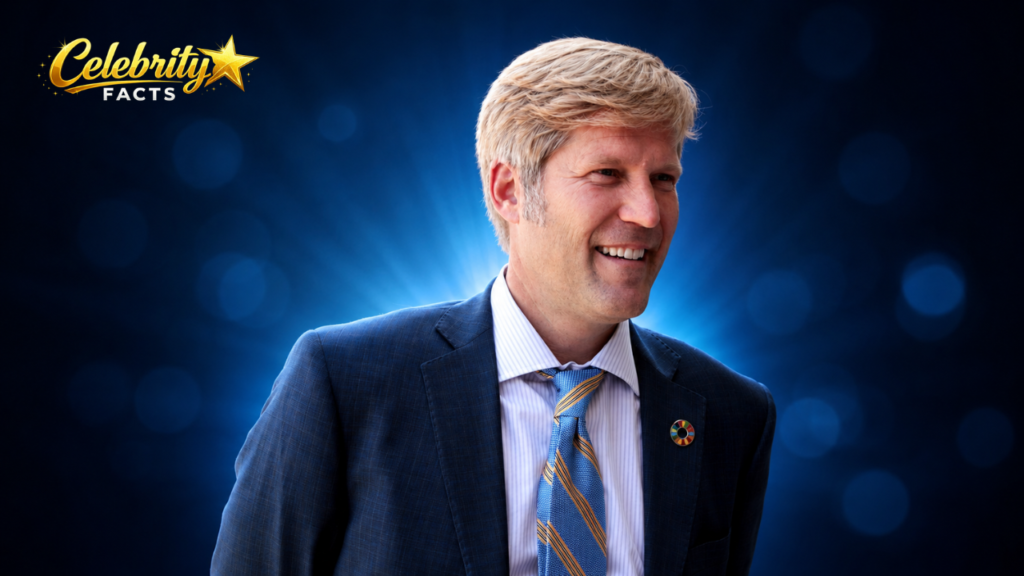
Tim Keller became mayor of Albuquerque after winning the 2017 mayoral election. He took office in December 2017, succeeding Richard J. Berry. His campaign focused on public safety, inclusion, transparency, economic opportunity, and a new direction for city leadership.
Albuquerque was facing serious challenges when Keller entered office. Crime, police reform, homelessness, economic development, and trust in city government were major concerns. Keller positioned himself as a leader who understood both the urgency of these problems and the need for long-term solutions.
His campaign also stood out because of his public financing approach and grassroots-style outreach. Keller’s rise to the mayor’s office showed that he could build a strong local coalition and appeal to voters who wanted a change in tone and direction.
The phrase “tim keller mayor” became more than a simple biography search after he took office. It became connected to public debates about whether Albuquerque was becoming safer, more inclusive, better managed, and more prepared for future growth.
Tim Keller Mayor Tenure and Leadership Style
Tim Keller’s leadership style is active, visible, and strongly tied to public communication. He frequently appears at public events, speaks about city initiatives, and uses branding around “One Albuquerque” to frame his administration’s goals.
His style is not quiet or behind the scenes. Keller has become known for mixing policy with personality. He attends civic events, supports local culture, highlights city programs, and often presents himself as a mayor who is directly engaged with residents.
Supporters see this as energetic and community-centered leadership. They argue that Keller has helped give Albuquerque a stronger civic identity and has pushed the city toward new approaches in public safety, homelessness response, sustainability, and economic development.
Critics see things differently. They argue that visibility is not the same as results and that Albuquerque’s most serious problems require more measurable progress. Public safety, homelessness, and city management remain frequent areas of criticism.
This balance is essential for a fair article. Tim Keller is a mayor with notable achievements, a strong public identity, and a long record in office, but he is also a mayor leading a city with difficult and persistent challenges.
Major Issues During His Time as Mayor
Every mayor is judged by the issues that define their time in office. For Tim Keller, the biggest issues include public safety, homelessness, housing affordability, police reform, economic development, sustainability, and city services.
Albuquerque is a city with deep strengths, including culture, location, film industry growth, tourism appeal, scientific institutions, and strong local identity. At the same time, it faces serious pressures related to crime, poverty, addiction, housing shortages, and public confidence in government.
Keller’s mayoral record is best understood as a mix of innovation, ambition, and unfinished work. His administration has promoted new approaches such as community safety response, expanded services for vulnerable residents, investments in neighborhoods, and efforts to grow the local economy.
However, the public conversation around his leadership often returns to a key question: Are these efforts producing enough visible improvement for everyday residents?
That question is one reason tim keller mayor remains a high-interest search. People are not only looking for who he is. They are trying to understand what his leadership has meant for Albuquerque.
Public Safety, Crime, and Community Response
Public safety has been one of the most important and most debated parts of Tim Keller’s time as mayor. Albuquerque has faced significant concerns about violent crime, property crime, police staffing, behavioral health calls, substance use, and public disorder.
Keller’s administration has supported efforts to strengthen traditional policing while also expanding alternative responses for certain types of calls. One of the most discussed approaches is the city’s community safety model, which sends trained civilian responders to some nonviolent calls involving mental health, homelessness, substance use, or social service needs.
The goal of this approach is to send the right response to the right situation. Not every crisis requires an armed police officer. Some situations may be handled more effectively by trained responders who can de-escalate, connect people to services, and reduce pressure on police.
This idea has gained national attention because many cities are looking for ways to rethink emergency response. However, it also comes with practical challenges. Civilian response systems need funding, staffing, training, coordination, and enough available services to actually help people after the initial response.
Public safety remains a major test for Keller’s leadership. Many residents want lower crime, faster response times, stronger accountability, and visible improvements in daily life. Keller’s supporters argue that long-term reform takes time. Critics argue that residents need clearer results.
Housing, Homelessness, and City Services
Homelessness is another major issue connected to the tim keller mayor search. Like many American cities, Albuquerque has struggled with rising housing costs, visible homelessness, behavioral health needs, addiction, and pressure on shelters and public spaces.
Keller’s administration has supported city programs aimed at expanding services, shelter access, outreach, and long-term support for people experiencing homelessness. The city has also focused on housing development and service coordination as part of the broader response.
Homelessness is not a problem any mayor can solve alone. It involves housing supply, wages, mental health care, substance treatment, family instability, criminal justice systems, healthcare access, and state and federal policy. Still, mayors are often judged most directly because residents see the issue on city streets, parks, transit areas, and business corridors.
For Keller, this issue has become one of the clearest examples of the difference between policy effort and public perception. A city can create programs and invest money, but residents often judge progress by what they see in their neighborhoods.
That is why balanced coverage matters. Keller’s administration has pursued responses, but homelessness remains a visible and difficult challenge for Albuquerque.
Economic Development and Albuquerque’s Growth
Economic development is another key part of Tim Keller’s mayoral story. Albuquerque has worked to attract investment, support local businesses, expand film and media production, improve city infrastructure, and strengthen its identity as a creative and innovative city.
The city has advantages that many places would like to have. It has a distinctive culture, a strong location in the Southwest, connections to science and technology, a growing film production presence, and a lower cost of living compared with some larger Western cities.
Keller has often presented Albuquerque as a city with untapped potential. His message focuses on building from the city’s strengths rather than trying to copy another place. This includes celebrating local culture, supporting creative industries, and promoting Albuquerque as a place where people can build, work, and belong.
Economic development is not only about attracting large companies. It is also about neighborhood investment, small businesses, workforce development, public safety, housing, transportation, and quality of life. When these parts work together, a city becomes more attractive to residents and employers.
For Keller, the challenge is making sure growth feels real to ordinary people, not only to institutions or developers. A strong economy must be visible in jobs, safer streets, better services, stronger neighborhoods, and more opportunity.
Tim Keller’s Family, Wife, and Personal Life
Tim Keller is married to Elizabeth Kistin Keller. She is often referred to as Albuquerque’s First Lady in connection with his role as mayor. She has a strong academic and public service background and is known for work connected to international development, policy, and community issues.
Keller’s family life is part of his public identity, but it is usually presented in a respectful and limited way. He is known as a husband and father, and his public image often includes references to family, local roots, and civic responsibility.
Many readers searching for tim keller mayor also search for information about his wife because public officials often become more understandable when readers see the personal side of their lives. However, personal details should be handled carefully. A mayor’s family can help shape public perception, but the focus should remain on public service, leadership, and civic role.
Elizabeth Kistin Keller’s profile adds another layer to the public image of the Keller family: educated, locally connected, and engaged with broader social issues. Together, they are often seen as a public-facing family within Albuquerque civic life.
Why Is Tim Keller Called the Metal Mayor?
One of the most unusual and memorable parts of Tim Keller’s public image is his reputation as the “Metal Mayor.” He is known as a heavy metal fan and has publicly embraced that identity.
This nickname makes him stand out from many other city leaders. Most politicians try to present a carefully neutral personality. Keller, by contrast, has allowed a specific part of his personal taste to become part of his public image.
The “Metal Mayor” label works because it feels authentic, memorable, and different. It gives people something easy to remember about him beyond policy speeches and election results. It also connects him with music fans and residents who appreciate seeing a public official with a less conventional personality.
Of course, a nickname does not define a mayor’s entire record. Public safety, housing, economic development, and city management matter far more than musical taste. But branding matters in politics, and Keller’s heavy metal image has helped him become more recognizable beyond Albuquerque.
For searchers, this is one reason Tim Keller attracts curiosity. He is not only a mayor. He is a mayor with a distinct cultural identity.
2025 Re-Election and Historic Third Term
Tim Keller’s 2025 re-election was a major moment in Albuquerque politics. After a competitive race and runoff, he won another term, making his continued leadership historically significant.
His third consecutive term is important because it shows political durability. Winning one mayoral race proves a candidate can build support. Winning multiple terms shows that enough voters still trust that leader despite criticism, challenges, and political opposition.
The 2025 race also showed that Albuquerque voters were still deeply focused on crime, homelessness, housing, and city accountability. Keller’s victory did not erase those concerns. Instead, it gave him another term to prove that his policies can deliver stronger results.
A third term can be both an opportunity and a burden. The opportunity is experience: Keller knows the office, the city systems, and the political landscape. The burden is responsibility: after years in office, voters are less likely to accept excuses and more likely to expect measurable outcomes.
That makes this phase of Keller’s leadership especially important. The public question is no longer only “Who is Tim Keller?” It is also: What will Tim Keller do with the additional time voters have given him?
What Makes Tim Keller a Notable Local Political Figure?
Tim Keller is notable because he combines several qualities that make him stand out in local politics.
First, he has a long public record. He served in the state legislature, became New Mexico State Auditor, and then became mayor of Albuquerque. That gives him experience across different levels of government.
Second, he has a strong local identity. He is not seen as a generic political figure. His Albuquerque roots are central to his message.
Third, he has a memorable public personality. The “Metal Mayor” image gives him national curiosity value, while his “One Albuquerque” message gives him a civic brand.
Fourth, he leads a city facing serious issues. Albuquerque’s challenges make the mayor’s office highly visible and politically demanding.
The reason “tim keller mayor” is a strong search topic is that Keller sits at the intersection of biography, politics, controversy, culture, and city leadership. Readers want facts, but they also want context. They want to know what he has done, why he matters, and what his leadership means for Albuquerque’s future.
Conclusion
Tim Keller mayor is a search topic that goes far beyond a basic job title. Tim Keller is the mayor of Albuquerque, a former state auditor, a former state senator, a husband, a father, a local political figure, and one of the most recognizable city leaders in New Mexico.
His career is important because it reflects both the promise and difficulty of modern city leadership. Albuquerque is a city with strong culture, deep community pride, and real opportunities for growth. It is also a city facing serious challenges related to crime, homelessness, housing, behavioral health, and public trust.
Keller’s supporters see him as a committed local leader with vision, personality, and a willingness to try new approaches. His critics argue that Albuquerque needs faster and more visible results, especially on safety and homelessness.
The truth is that Keller’s mayoral legacy will depend on what happens next. His historic third term gives him more time, but it also raises expectations. Voters have already seen his ideas, his style, and his priorities. Now they will judge whether his leadership can produce lasting improvement for Albuquerque.
In simple terms, Tim Keller matters because he is leading one of the Southwest’s most distinctive cities at a time when local government faces some of its toughest tests. That is why people continue to search for him, read about him, and debate his record.
FAQs
1. Who is Tim Keller mayor?
Tim Keller is the mayor of Albuquerque, New Mexico. He is a Democratic politician who previously served as New Mexico State Auditor and as a New Mexico State Senator. He is known for his local Albuquerque roots, public safety initiatives, community-focused branding, and his nickname, the “Metal Mayor.”
2. Is Tim Keller still the mayor of Albuquerque?
Yes, Tim Keller is still widely recognized as the mayor of Albuquerque. He first became mayor in 2017 and later won re-election, including a historic third consecutive term. His continued role keeps him central to major city issues such as crime, homelessness, housing, and economic development.
3. What political party does Tim Keller belong to?
Tim Keller belongs to the Democratic Party. Although Albuquerque municipal politics often involve local issues more than national party labels, his political identity is generally associated with Democratic policies and progressive-leaning urban governance.
4. Who is Tim Keller’s wife?
Tim Keller’s wife is Elizabeth Kistin Keller. She has an academic and public service background and is often publicly associated with civic and community-focused work. She is commonly referred to as Albuquerque’s First Lady in connection with Keller’s role as mayor.
5. Why is Tim Keller called the Metal Mayor?
Tim Keller is called the “Metal Mayor” because he is known as a passionate heavy metal music fan. This nickname has become part of his public personality and makes him stand out from many other politicians. It adds a cultural and personal dimension to his political image.
6. What are the biggest issues during Tim Keller’s time as mayor?
The biggest issues during Tim Keller’s time as mayor include public safety, crime, homelessness, housing affordability, police reform, behavioral health response, economic development, and city services. These topics continue to shape public discussion around his leadership.
Updated Report: June 2026
celebrityfacts.co.uk