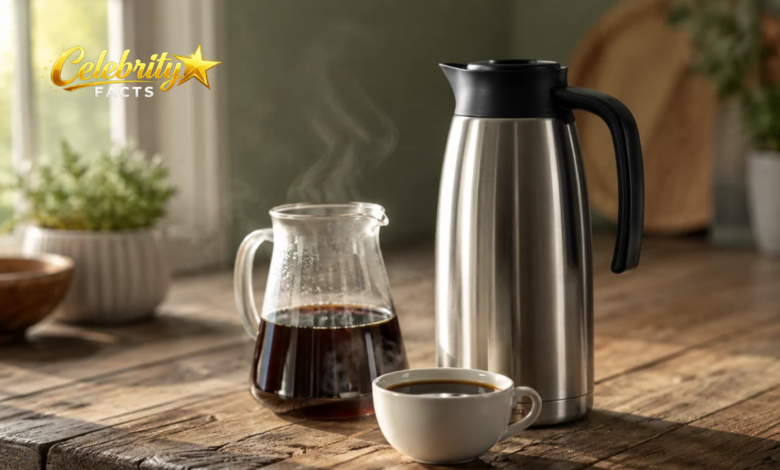
A coffee carafe is a vessel designed to hold, serve and sometimes brew coffee. The best choice depends on how you prepare your coffee, how long you want it to stay warm and how many people you serve. Glass carafes offer visibility, while insulated models help retain heat without continuous warming. Understanding capacity, pouring design, materials and cleaning requirements makes it easier to choose a coffee carafe that suits your routine.
Whether you need a replacement pot for a drip coffee maker, a thermal jug for the office or a stylish glass vessel for pour-over brewing, a few practical considerations can make a significant difference. This guide explains the main types, their advantages and limitations, and how to maintain one for consistently enjoyable coffee.
Quick Facts About Coffee Carafes
| Feature | What to know |
| Main purpose | Holding and serving brewed coffee |
| Common materials | Heat-resistant glass, stainless steel and insulated materials |
| Main types | Glass, thermal, vacuum-insulated and pour-over carafes |
| Capacity | Choose according to your usual number of servings |
| Heat retention | Depends on insulation, lid design and starting temperature |
| Cleaning | Follow the manufacturer’s care instructions |
| Best buying approach | Match the carafe to your brewing method and daily habits |
What Is a Coffee Carafe and How Does It Work?
A coffee carafe is a container that holds brewed coffee and allows it to be poured into cups. Some models are designed to sit beneath a drip coffee machine, while others are standalone serving vessels. Certain pour-over carafes also function as brewing containers, allowing hot water to pass through coffee grounds held in a compatible filter.
The term is sometimes used interchangeably with coffee pot, coffee server or thermal jug. However, the precise design matters. A glass carafe may rely on a heated plate to maintain temperature, whereas an insulated coffee carafe uses a heat-resistant barrier to slow heat loss. Neither approach is automatically better for every situation.
Coffee carafe versus coffee pot
A coffee pot may refer to the vessel supplied with a traditional filter coffee maker. A carafe usually emphasises serving and pouring, although the terms overlap in everyday use.
Before buying a replacement, check the shape, capacity, lid, handle and base dimensions of your existing vessel. A carafe that looks similar may not fit a particular machine or activate its brewing mechanism correctly.
Types of Coffee Carafe: Which Is Best?
The best coffee carafe depends on whether you prioritise visibility, heat retention, durability or brewing flexibility. The main options serve different needs, so compare how each works rather than choosing on appearance alone.
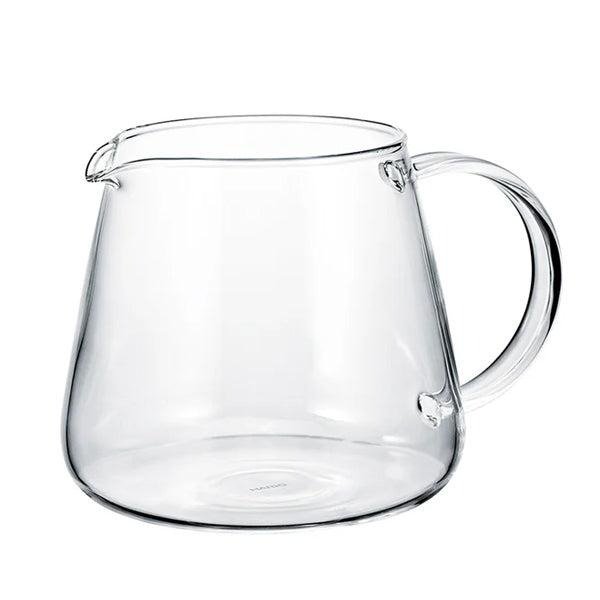
1. Glass coffee carafe
Glass makes it easy to see the remaining coffee and monitor its colour. It is a popular option for filter coffee makers and pour-over brewing. Heat-resistant glass can handle hot liquids within its specified limits, but it may break if dropped or exposed to sudden temperature changes. Check whether the model is suitable for a warming plate.
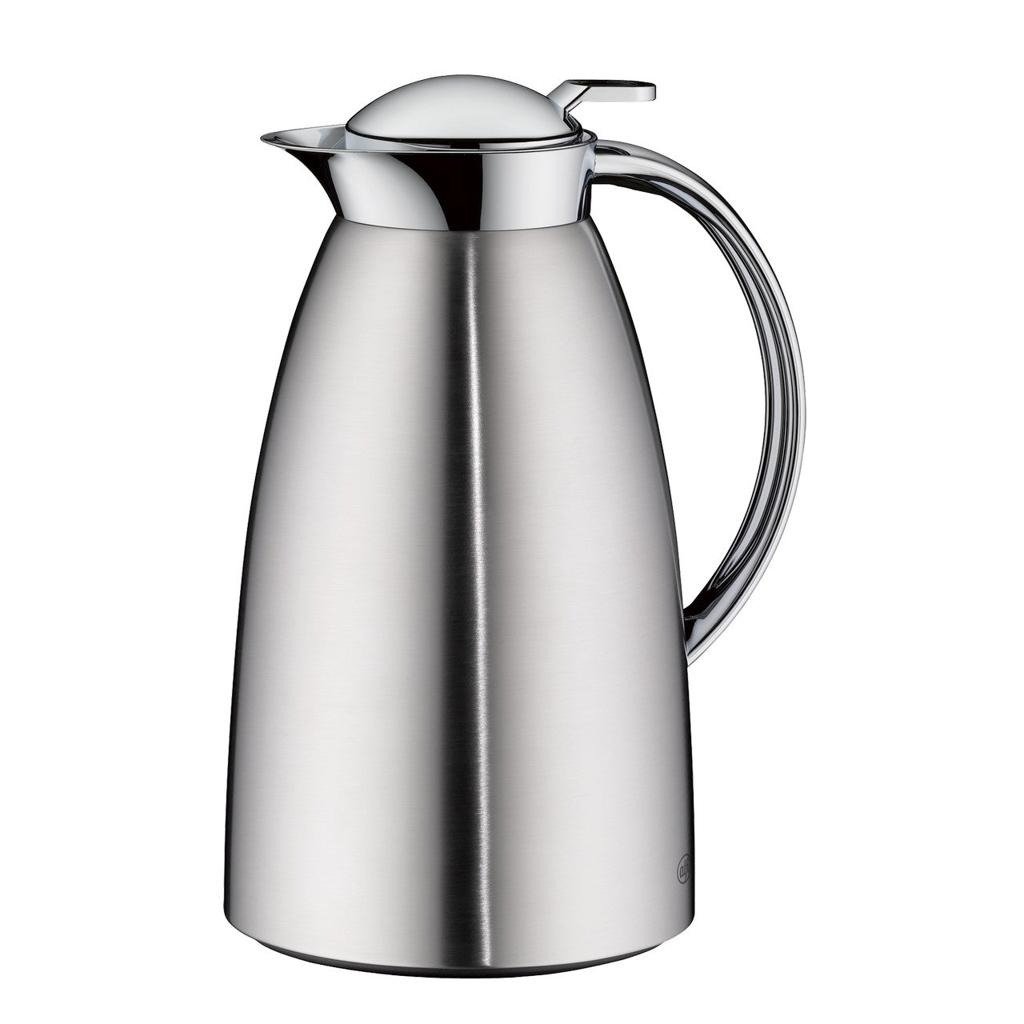
2. Thermal coffee carafe
A thermal carafe uses insulation to slow heat loss. Many models have double walls or a vacuum-insulated construction, making them useful for long breakfasts, meetings and serving several cups over time. They generally do not need a warming plate, although actual heat retention varies with construction, capacity and lid design.
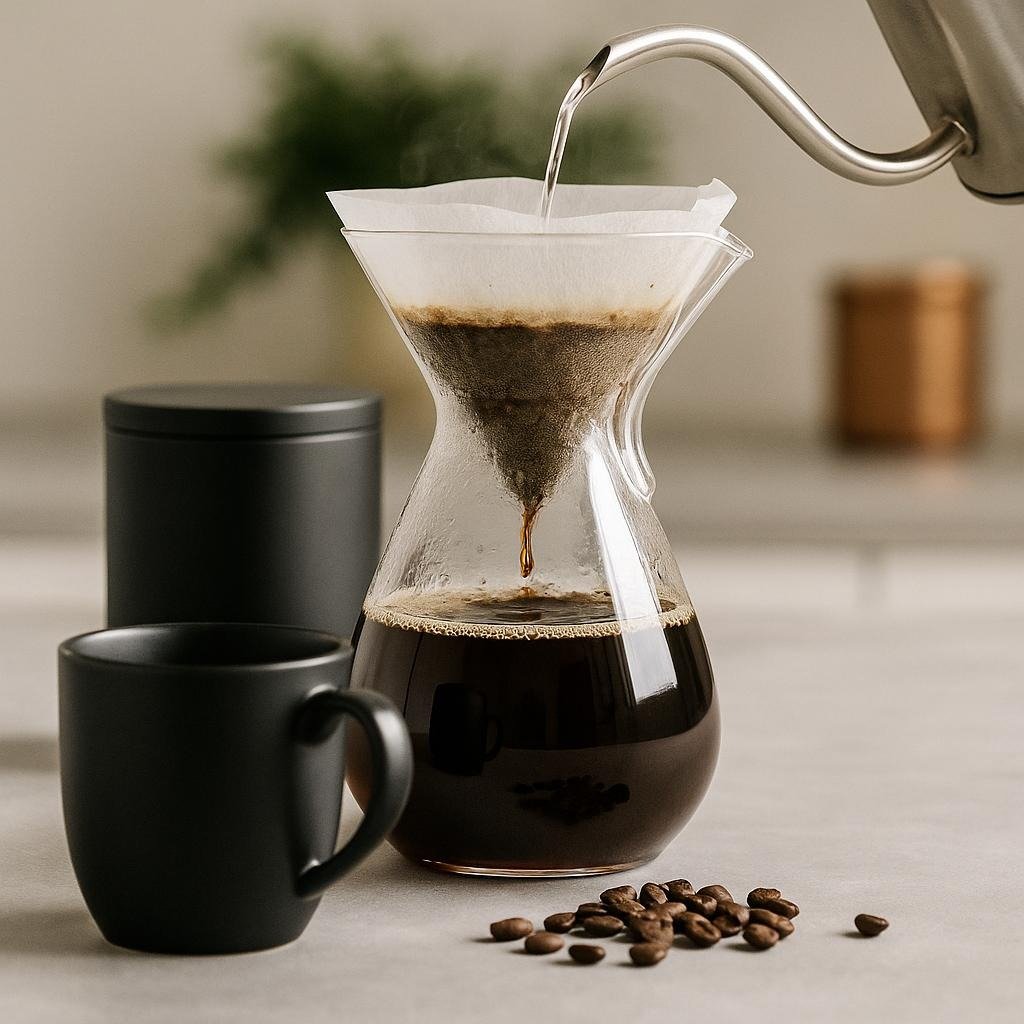
3. Pour-over coffee carafe
A pour-over carafe collects coffee brewed through a filter cone. It is useful for manual brewing, particularly when you want to prepare multiple servings in one vessel. Look for a stable base, a comfortable handle and a clear capacity marking. Confirm that the carafe and filter are compatible before purchasing a set.
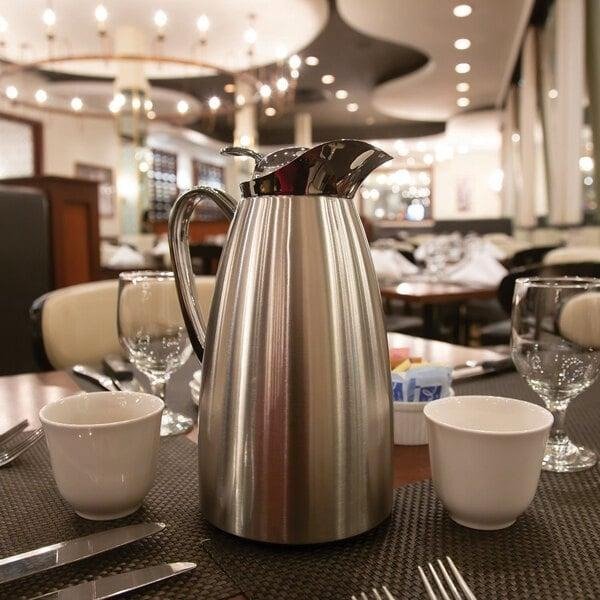
4. Stainless steel serving carafe
Stainless steel models are often chosen for everyday durability and a contemporary appearance. Insulated versions are particularly useful for shared kitchens and hospitality settings. Some have narrow spouts for controlled pouring, while others use push-button lids. Check the internal construction and cleaning access, as not every stainless steel vessel is insulated.
How to Choose the Right Coffee Carafe
Start by identifying your most common use. Someone who drinks one cup immediately after brewing may prefer a simple glass vessel. A household that serves coffee throughout breakfast may benefit more from an insulated model. Matching the carafe to your routine helps prevent unnecessary spending on features you rarely use.
1. Choose the right capacity
Capacity should reflect the amount of coffee you actually prepare. A compact vessel may be ideal for one or two people, while a larger carafe suits families, offices or entertaining.
Check the stated capacity in millilitres or litres rather than relying on the number of cups printed on the packaging. Cup sizes vary, and the usable capacity may be lower than the maximum stated volume once you account for the lid and pouring space.
2. Compare materials and insulation
Glass is useful when visibility matters, but it requires careful handling. Stainless steel is often more resistant to everyday impacts, although it can still dent or suffer surface damage. Insulated models can keep coffee warm for longer without constant external heating.
Do not assume that every metal carafe retains heat equally well. Single-wall stainless steel, double-wall construction and vacuum insulation have different thermal properties. Look for manufacturer-provided heat-retention information if temperature maintenance is a priority.
3. Check the lid and pouring spout
A good lid helps reduce heat loss and makes carrying the vessel easier. A well-designed spout should pour smoothly without excessive dripping. If you regularly serve coffee to guests, these small details can make a noticeable difference.
For an office or shared kitchen, consider a secure lid and a handle that remains comfortable when the carafe is full. If you plan to pour directly into a mug beneath a coffee machine, check the height and clearance as well.
4. Consider cleaning and replacement parts
Coffee oils can accumulate inside a carafe and develop stale flavours if they are not removed. A wide opening, removable lid or accessible interior can make routine cleaning easier. If the carafe belongs to a coffee machine, check whether replacement lids and vessels are available separately.
Do not assume that a glass or stainless steel carafe is dishwasher-safe simply because its main material can tolerate heat. Seals, handles, coatings and insulated layers may have different care requirements.
Glass vs Thermal Coffee Carafe: A Practical Comparison
Neither type is universally superior. A glass carafe works well when coffee is served soon after brewing, particularly if it sits on a compatible warming plate. A thermal carafe is often the more practical choice when coffee needs to remain warm while people serve themselves at different times.
| Feature | Glass carafe | Thermal carafe |
| Visibility | Usually excellent | Often limited |
| Heat retention | May depend on a warming plate | Designed to slow heat loss |
| Portability | More vulnerable to breakage | Often better suited to carrying |
| Monitoring volume | Easy to see | Depends on design |
| Cleaning | Usually straightforward, subject to design | May need a long-handled brush |
| Best suited to | Immediate serving and visible brewing | Longer serving periods and shared use |
One important distinction is that keeping coffee hot is not the same as preserving its freshly brewed flavour. Coffee left on a heated plate for an extended period may develop a different taste. A thermal carafe avoids continuous direct heating, although coffee flavour still changes as the brew cools and sits.
How to Use a Coffee Carafe for Better Results
A carafe cannot compensate for poor brewing, but the right routine helps you get more from your coffee. Start with fresh water, suitable coffee grounds and a clean brewing system. Follow your machine or brewing method’s recommended coffee-to-water ratio, then transfer or serve the coffee promptly.
If you use a thermal carafe, pre-warming it with hot water can help reduce the initial temperature drop. Empty the warming water before adding the brewed coffee. Close the lid properly between servings, and avoid repeatedly leaving the vessel open.
For pour-over brewing, check the filter’s fit and make sure the carafe stands securely on the work surface. Pour slowly enough to avoid splashes, and never exceed the vessel’s stated capacity or temperature limits.
How to Clean and Maintain a Coffee Carafe
Clean the carafe after each use. Rinse away leftover coffee, then wash it with warm water and a suitable washing-up liquid, following the manufacturer’s instructions. Pay attention to the lid, pouring spout and any narrow passages where residue can collect. Rinse thoroughly and allow removable components to dry completely before reassembly.
For stubborn stains, use a cleaner approved for the specific vessel and a soft brush that can reach the bottom. Avoid abrasive pads and harsh cleaning chemicals unless the manufacturer explicitly permits them. Some thermal models must be hand-washed and should never be immersed in water or put in a dishwasher.
If coffee develops a stale or unpleasant taste, check for oily residue inside the carafe and brewing basket. Cleaning the vessel alone may not solve the problem if the filter holder or other coffee-contact surfaces also need attention. Always unplug an electric coffee maker before cleaning removable parts or the surrounding area.
Common Coffee Carafe Buying Mistakes to Avoid
A frequent mistake is buying a carafe based on appearance without checking compatibility. Replacement vessels need to match the coffee machine’s dimensions and any required lid or brewing mechanism. Capacity labels can also be misleading if you assume that every advertised cup is the same size.
Other mistakes include overlooking cleaning instructions, choosing an awkward pouring spout and expecting a non-insulated vessel to maintain temperature for hours. Consider how the carafe will be used, where it will be stored and who will clean it. A simple, practical design can be a better investment than a more elaborate model with unnecessary features.
Conclusion
The right coffee carafe makes brewing, serving and storing coffee more convenient. Choose glass if visibility and straightforward serving matter most, or consider a thermal model if you want to keep coffee warm for longer without a warming plate. Capacity, lid design, pouring control, cleaning requirements and compatibility are just as important as appearance. By matching these features to your daily routine, you can choose a coffee carafe that offers reliable performance and easier coffee service.
Frequently Asked Questions
What is a coffee carafe used for?
A coffee carafe holds and serves brewed coffee. Depending on its design, it may sit beneath a drip coffee maker, collect pour-over coffee or keep prepared coffee warm for serving.
Is a glass or thermal coffee carafe better?
A glass carafe is useful for visibility and serving coffee soon after brewing. A thermal carafe is generally better when you want to retain heat for longer without using a warming plate.
How long does a thermal coffee carafe keep coffee hot?
It depends on the insulation, lid, capacity, starting temperature and surrounding conditions. Check the manufacturer’s temperature-retention specifications for a realistic estimate.
Can I put a coffee carafe in the dishwasher?
Some glass carafes are dishwasher-safe, but others are not. Thermal carafes may require hand-washing. Always follow the care instructions for your particular model.
How do I remove coffee stains from a carafe?
Use warm water, a suitable cleaning product and a soft brush. For stubborn stains, choose a cleaner approved by the manufacturer and rinse the vessel thoroughly.
Does a coffee carafe affect coffee flavour?
The vessel itself usually has a limited effect when clean and suitable for coffee. However, stale coffee oils, prolonged heating and extended storage can affect flavour.
What size coffee carafe should I buy?
Choose a capacity that matches your usual number of servings. Check the stated volume in millilitres or litres, as advertised cup sizes are not standardised.
Can I brew coffee directly into a carafe?
Yes, if the carafe is designed for your brewing method. Some drip coffee makers brew directly into their matching carafes, while pour-over models accommodate compatible filters.
Is stainless steel a good material for a coffee carafe?
Yes. Stainless steel is often durable and practical for daily use. An insulated stainless steel model can also help retain heat, depending on its construction.
How often should I clean my coffee carafe?
Clean it after every use to remove coffee residue and oils. Regular cleaning helps prevent stale flavours, stains and lingering odours.
Updated Report: October 2026
celebrityfacts.co.uk

